Prologue
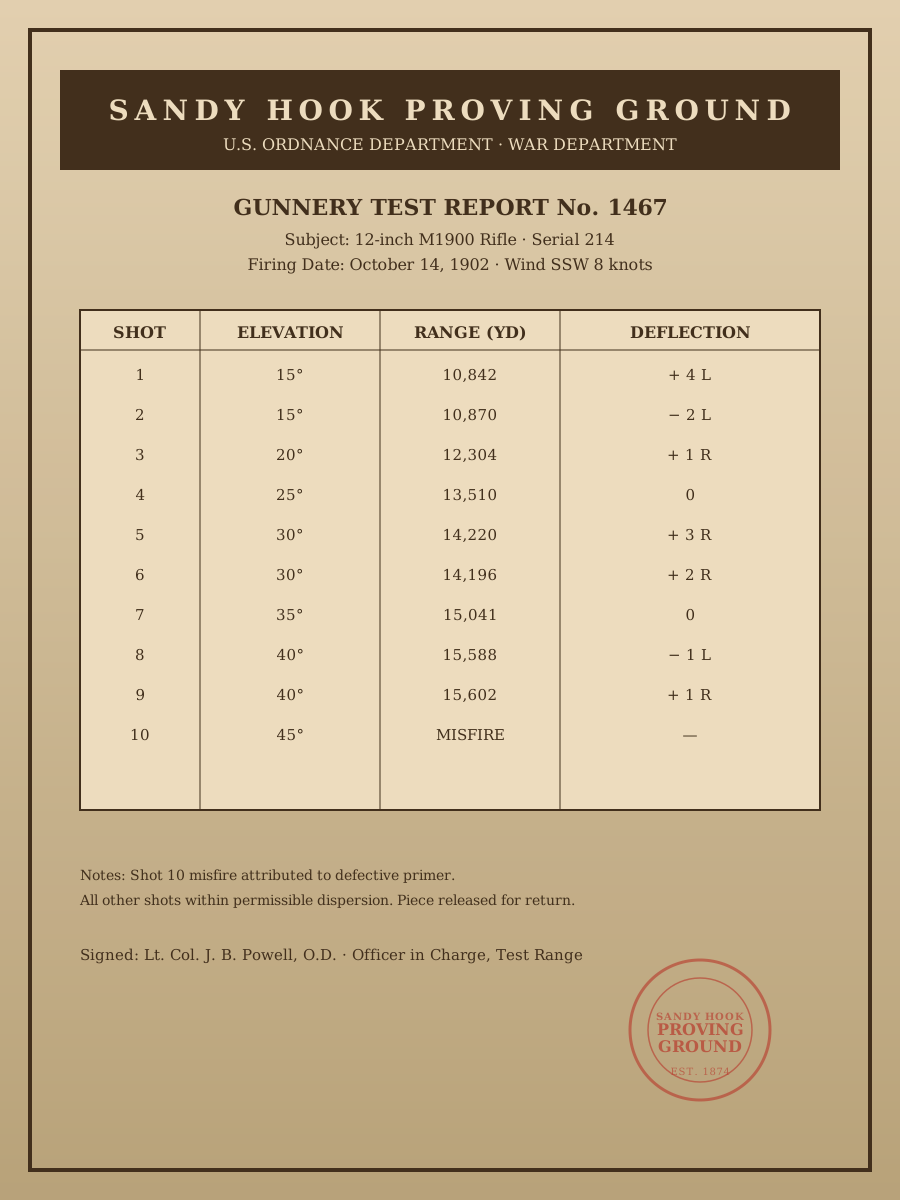
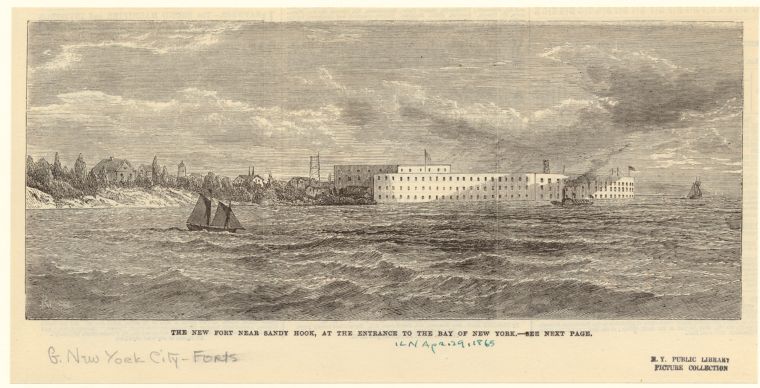
The Army arrived in eighteen seventy-four and left on December thirty-first, nineteen seventy-four. That is a hundred years to the day, and the exactness is a coincidence — the deactivation date was picked for accounting reasons — but it holds. For a full century the Hook was federal ground. It was the ordnance test range of the United States for the first forty-five years. It was a coastal fortress for the next thirty. It was one of the ring of Cold War missile sites around New York for the last twenty. And the town on the mainland — Highlands, Sea Bright, Sandy Hook Village — lived next to the guns, and worked at the guns, and fell in love at the guns, and buried people who worked at the guns. Every family in Highlands over sixty knows someone who was in uniform on the Hook.
The nuclear part — some of the Nike Hercules missiles at the Highlands Army Air Defense Site were nuclear-armed — was not made public until decades later. The town found out from newspapers. That has never quite been forgiven.
This chapter is not finished. What follows is an outline — the shape of the story, not the told version of it. The research is under way and the text will be replaced.