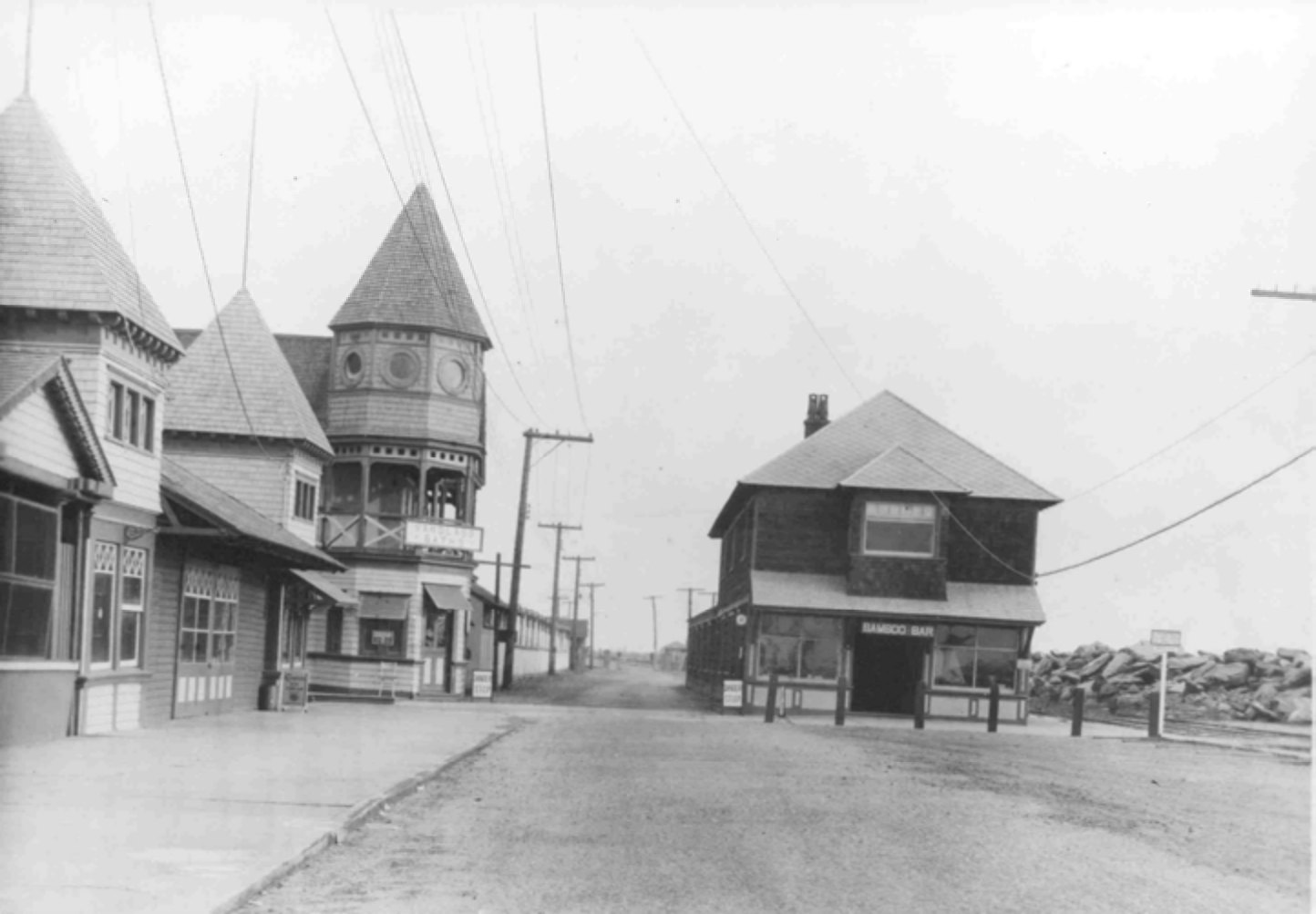
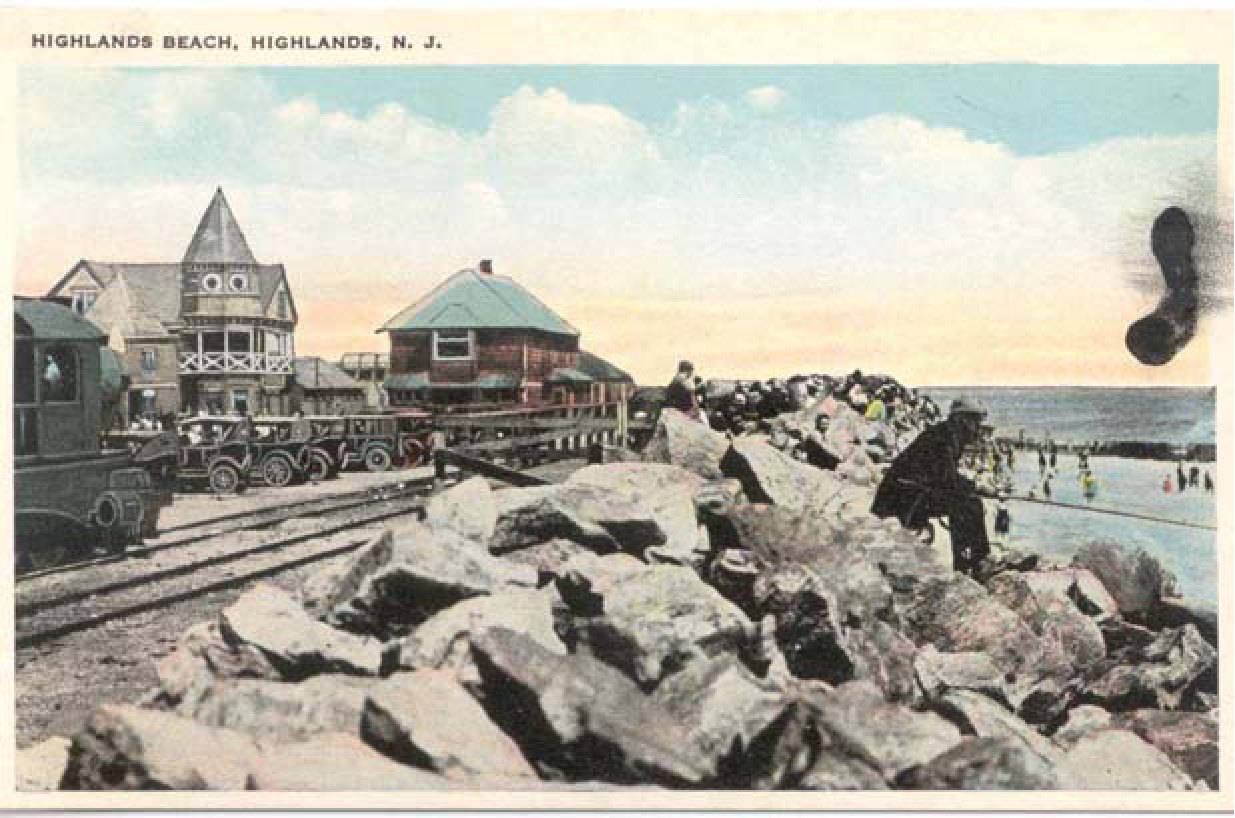
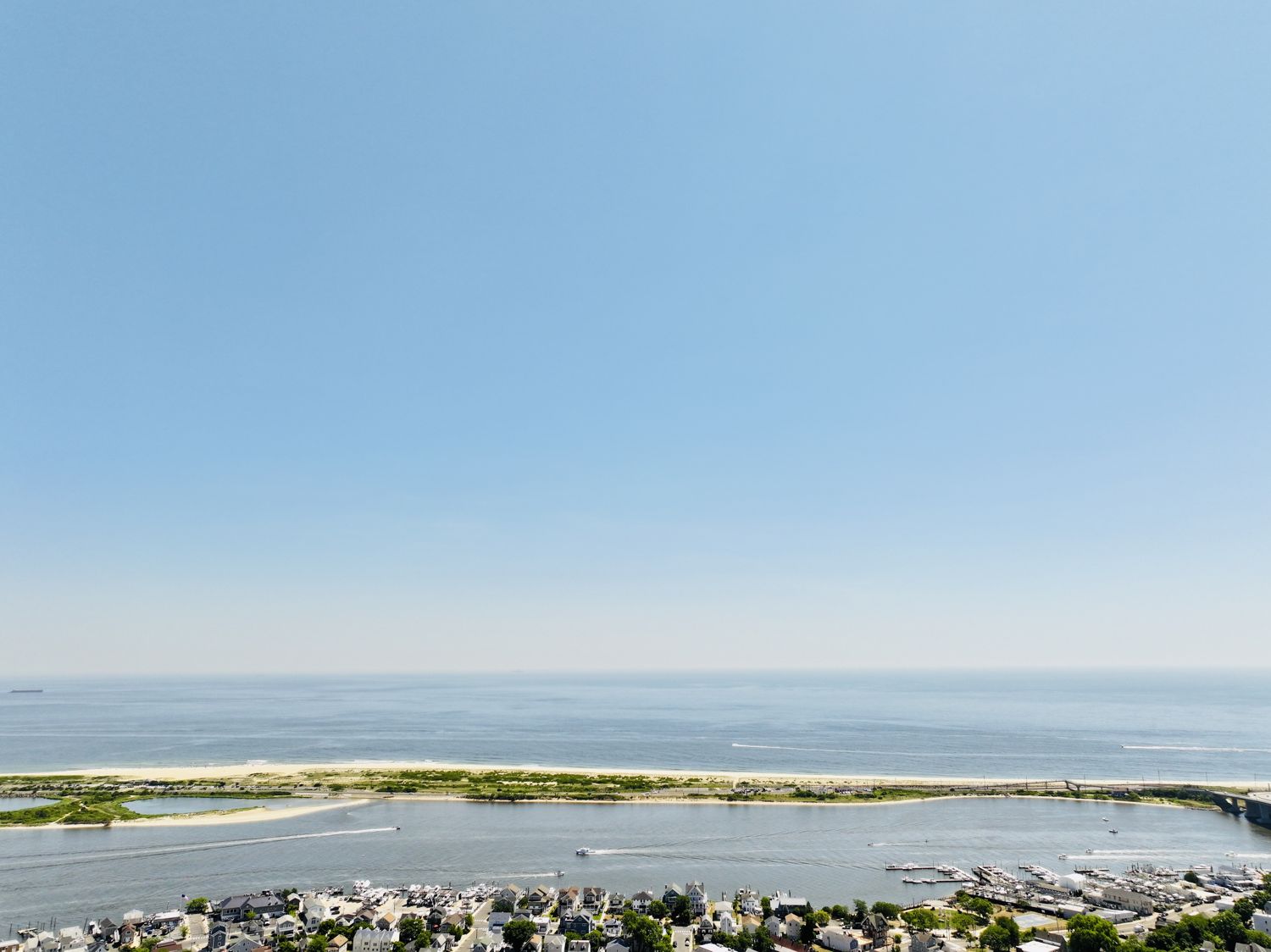
Forty-five years on Highland Beach. It ended in court. What is left on the ground is one building — the one William raised Henry in, the one Henry raised Hank in, the one that moved across the road in 1939 and has not moved since. The Park Service numbers it 600.
The Army closed Fort Hancock on the last day of 1974 and the land came to the Department of the Interior. A highway ramp went in off the bridge and took the front lawn.[2] For most of the next four decades the house was Park Service employee housing, kept up minimally. After Sandy, in 2012, the Park Service did not reopen it, and has said since that a building on that ground is not a defensible investment against the next storm.[13]
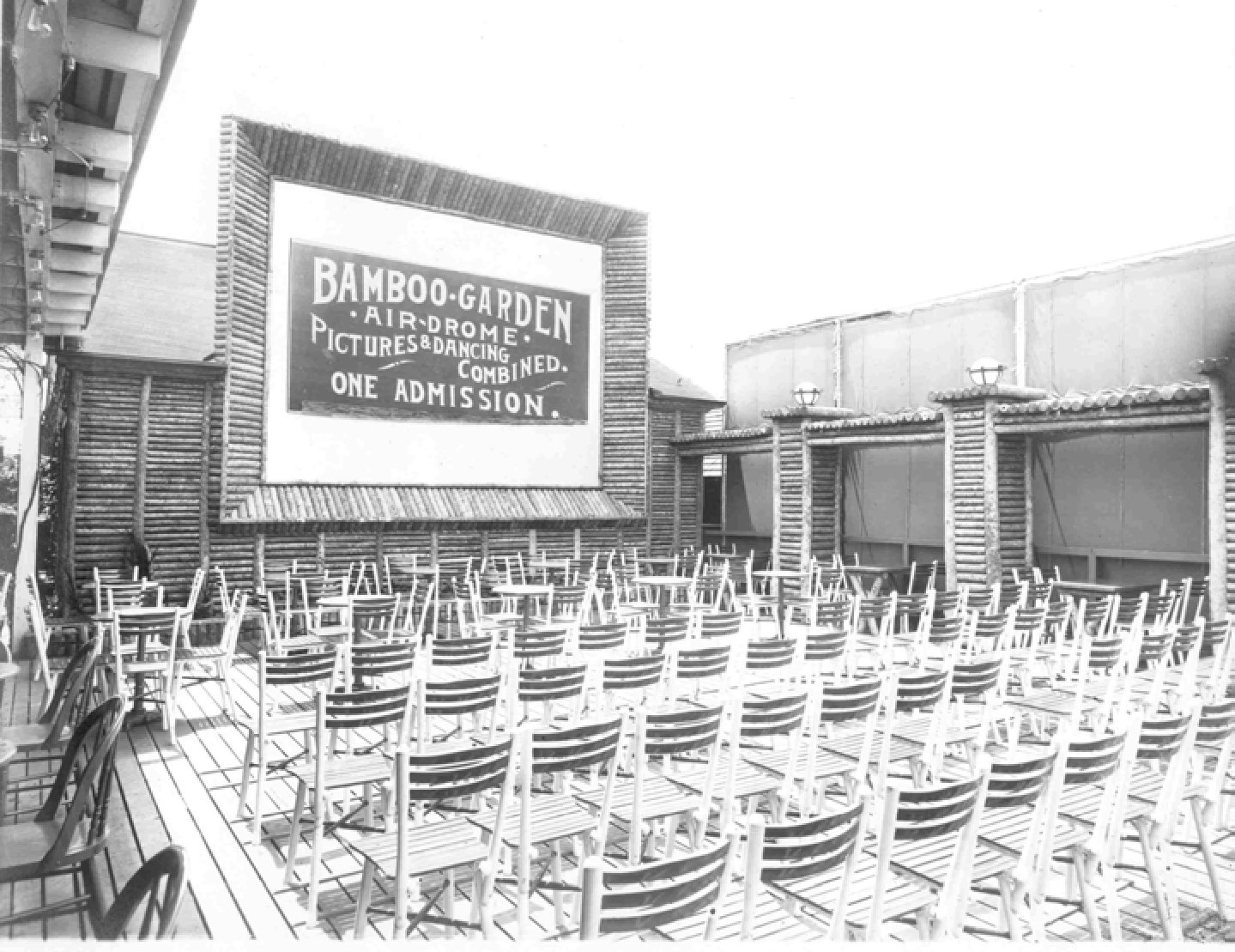
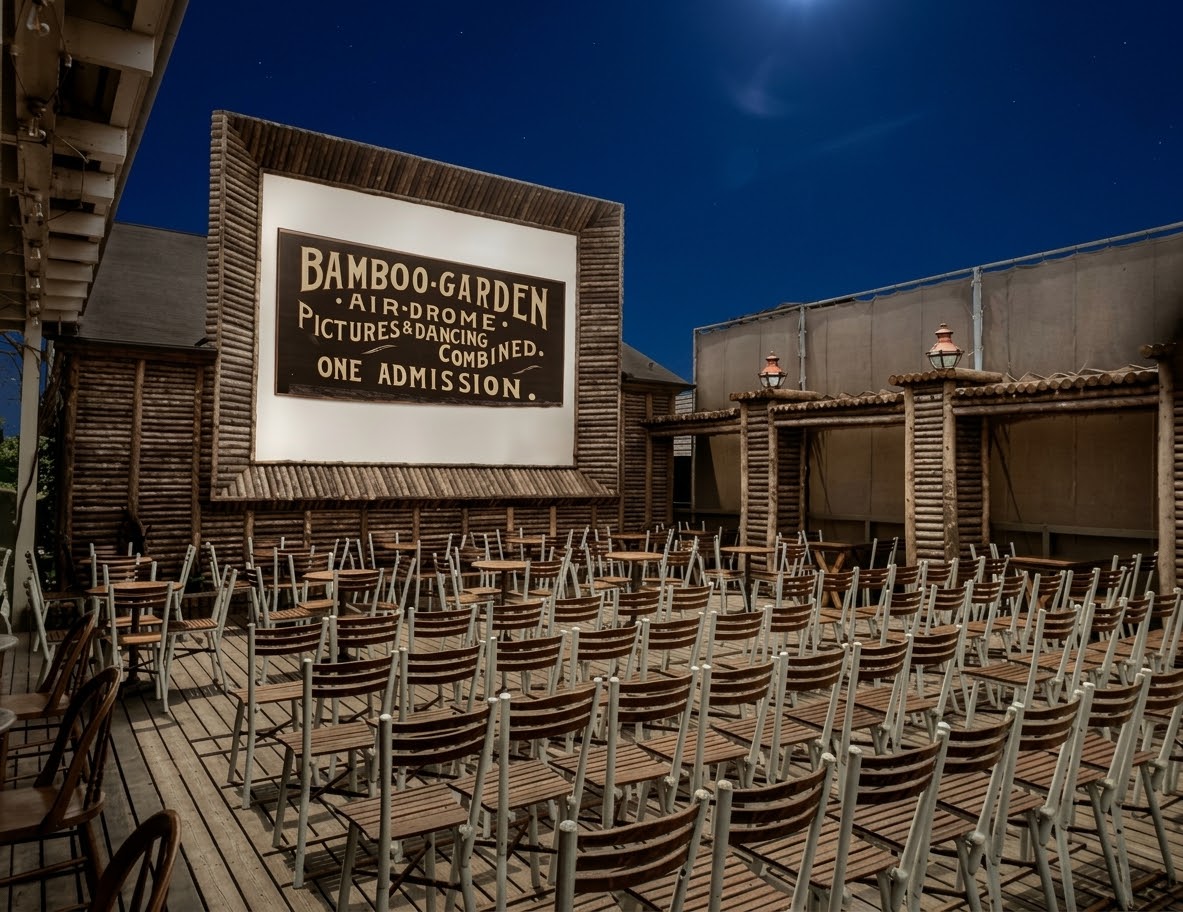
The Bamboo Room did not last that long. Someone set it on fire. Hank Sandlass remembers the mid-seventies; Mary Rasa, the curator who interviewed him, put it at 1984 or 1985 and tied it to the arsonist who was working through the Fort Hancock buildings in those years. Hank deferred to her. It was being used as storage at the time. Neither of them sounds certain, and this project is not going to be more certain than the two people who were closest to it.[6]
The Bamboo Room and the house are two different buildings. The house was the Bamboo Bar before 1939; after it moved, the bamboo operation carried on and expanded on the old site as a separate room. The state took everything down except those two. The room is the one that burned. The house is the one still standing.[6]
In 2014 the Park Service identified the house for demolition. In 2016 it offered, as the alternative, that somebody could move the building off the peninsula — which is not much of an alternative for a structure whose entire significance is where it stands. The Jersey Coast Heritage Museum at Sandlass House incorporated that November to fight it and has been fighting it since: restoration proposals, more than 3,000 petition signatures, a decade of meetings.[13][14]
The Park Service went the other way. In 2023 and 2024 it worked with an outside contractor and found the property ineligible under National Register criteria. The New Jersey State Historic Preservation Office concurred in February 2024. In May 2024 the Keeper of the National Register agreed. That October the superintendent told the Fort Hancock 21st Century Federal Advisory Committee that demolition would proceed. The committee itself was disbanded a few months later.[13][15]
What followed was a coalition — Governor Murphy, Representative Pallone, Senator Kim, the county commissioners, the Sandy Hook Foundation, the mayors of Sea Bright and Highlands. Murphy's letter, in May 2025, asked the Park Service to reconsider and to put the house into the Fort Hancock leasing program instead. Susan Sandlass Gardiner, William's great-granddaughter and the author of the resort's history, asked for the same thing.[13]
As of this writing the building is standing, it is inside a demolition package, and the planning for that package is not finished.
This project's position on Building 600 is that it is reportage. We are not the advocacy organization here; the Jersey Coast Heritage Museum is, and they have been at it since 2016. What we can do is keep the record straight and keep it current, and say plainly what is and is not known. The building is standing today. That sentence has needed rechecking every year since 2014.
What we are still chasing.
The Red Bank Register ran this resort for eighty years and we have read almost none of it. Specific gaps we know about: the Improvement Company's own account of what it intended to build in 1888; the society columns of the 1910s and 1920s, which carry the cottage families' surnames; the obituaries and management notices around William Sandlass's death; and the whole of 1962 — the Ash Wednesday coverage, the condemnation, the suit, and the December award. We also want the catalog numbers matched to the Gateway NRA Museum figures, and the New Yorker's own archive checked for Edmund Wilson.
If you have any of it, contribute.
Is your family part of this story? Share your family's story
The next chapter is A Town of Its Own, which is where the borough of Highlands takes its first steps on the mainland side of the water while the Sandlass property is running full tilt on the peninsula side. Both stories are the same story.