Prologue
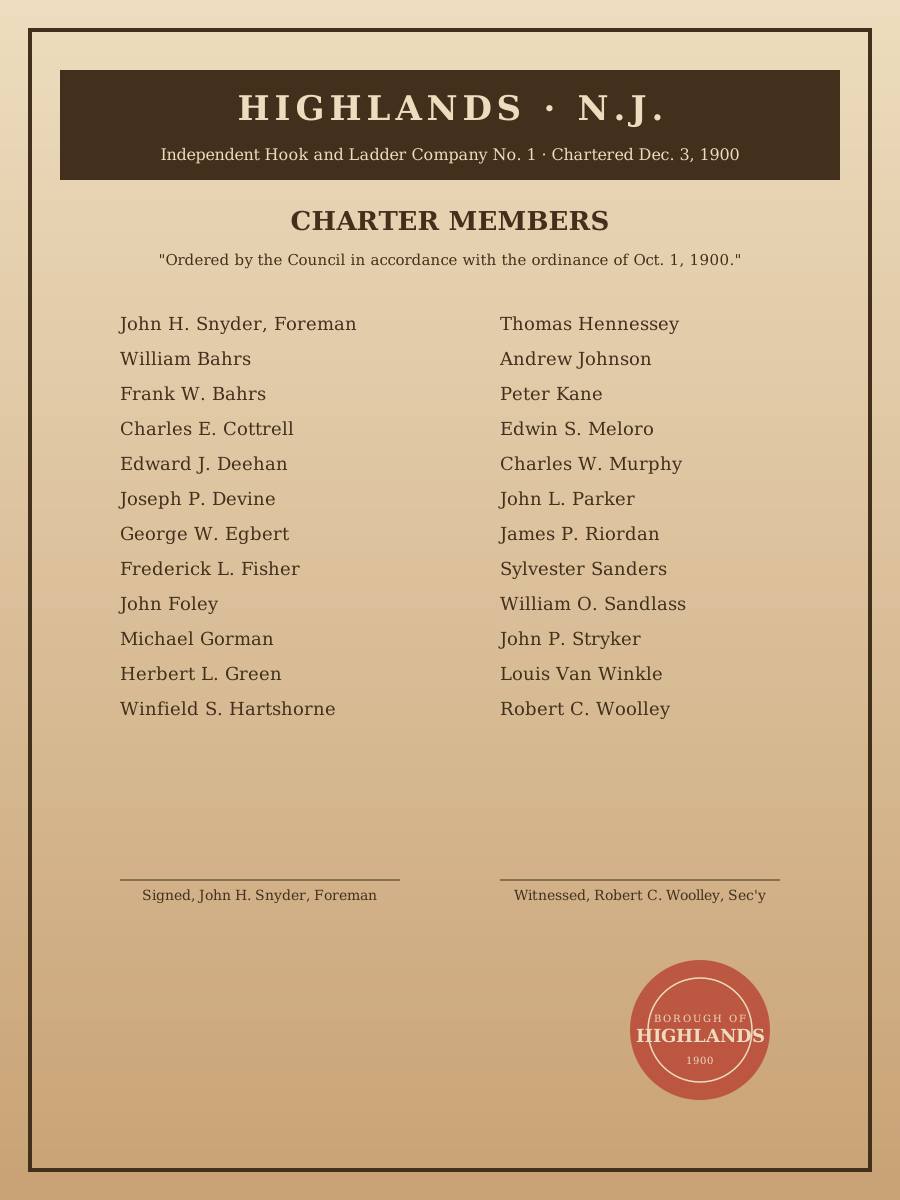
The two decades between nineteen hundred and nineteen twenty are the two decades that make Highlands recognizable. The town is incorporated in March of nineteen hundred, gets its first fire company nine months later, its first police force in nineteen oh three, its post office in nineteen oh four, its first paved Bay Avenue in nineteen thirteen, a rail-served borough hall by nineteen fifteen, and Bahrs Landing at the water's edge in nineteen seventeen. Nothing about the shape of the town on the map today was not settled by nineteen twenty. The subsequent hundred years have been additions, subtractions, elevations, and paint.
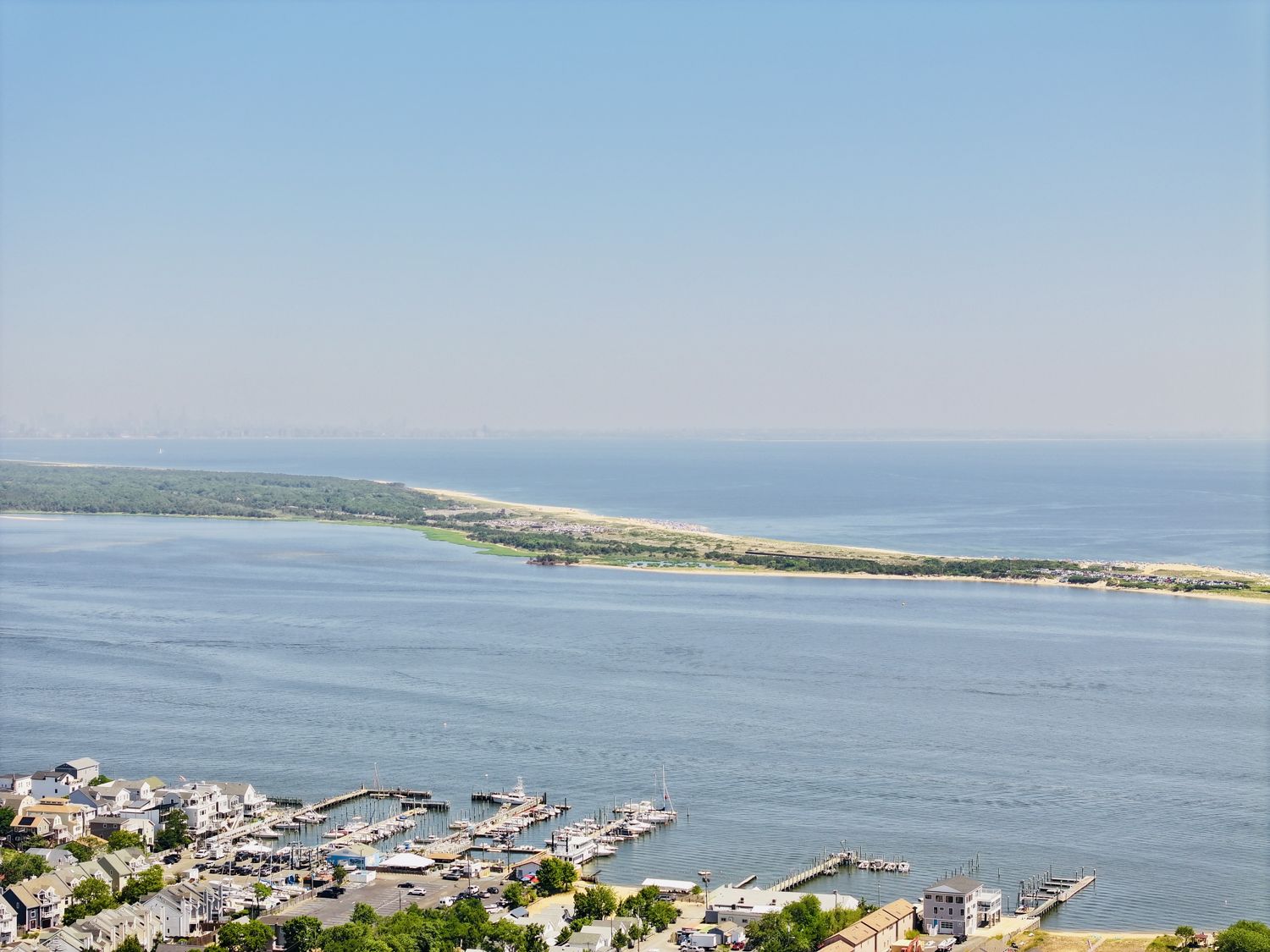
The resort at the top of the hill and the missile site out on the Hook get the marquee treatment in this project. This chapter is about the middle. The people who lived here year-round; who raked the clams the resort ate; who built the boats the ordnance-testing Army leased; who set up the fire company; who ran the store; who paved the road. The people, in short, the town is for.
This chapter is not finished. What follows is an outline — the shape of the story, not the told version of it. The research is under way and the text will be replaced.